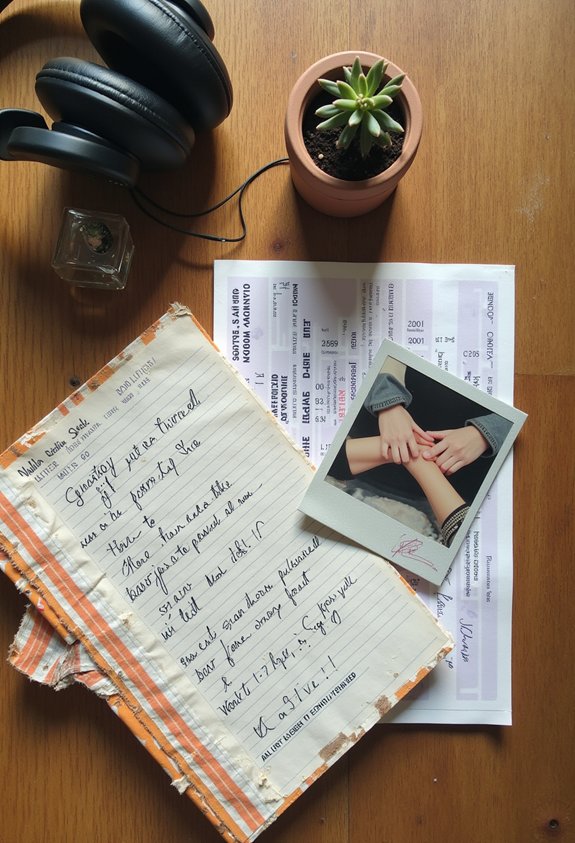
Meeting My Long Distance Partner for the First Time Changed Everything
Meeting your long‑distance partner for the first time really can change everything. You finally see how your online chemistry matches real‑life energy, from that first hug to the quiet moments in between. Expect some awkwardness and nerves, and name them instead of pretending they’re not there. Stay curious, communicate gently, and notice how it feels to share space, not just screens. Afterwards, you’ll be clearer on what you want—and what you’re ready to build together next.
What you will leave with
- Meeting in person transforms expectations into reality, revealing true compatibility in daily habits, chemistry, and comfort that video calls can’t fully show.
- Awkward moments are inevitable, but naming the nerves and staying curious about each other turns discomfort into deeper trust and emotional safety.
- Physical presence reshapes intimacy, as you learn each other’s touch, space needs, and stress signals instead of relying only on texts and calls.
- Shared routines during the visit—meals, quiet time, handling logistics—offer a preview of long-term partnership and how you function as a team.
- Honest post-visit reflection about what worked, what felt off, and what you both want next can redefine the relationship’s direction and commitment level.
The Countdown to Touching Down

As your first in‑person visit gets closer, the countdown isn’t just about plane tickets and packed bags—it’s about preparing your expectations, emotions, and plans so the reunion strengthens your relationship instead of overwhelming it.
Let yourself feel the countdown excitement, but ground it in intention.
Let the countdown thrill you, but anchor every flutter of excitement in clear intention
Clarify together what you each hope this visit will mean: Are you confirming compatibility, deepening commitment, exploring future plans?
Share fears too—awkwardness, disappointment, pressure—to reduce their power.
Then, handle travel logistics with care: flight times, airport transfers, where you’ll stay, and how much unstructured time you’ll have.
Over-plan the essentials, under-plan the emotions.
Finally, agree on gentle check‑ins during the trip so you both feel free to speak up, adjust expectations, and stay connected.
First Glimpse at the Arrivals Gate
Have a simple plan for that first contact—hug, kiss on the cheek, or just holding hands—and tell them in advance. It eases pressure for both of you.
When the emotional whirlwind hits—seeing their walk, hearing their voice without a speaker—let yourself take mental snapshots instead of performing.
Stay curious, not critical. You’re not auditioning; you’re beginning a new chapter together.
When Online Chemistry Meets Real‑Life Energy

You’ve made it through the arrivals gate moment; now comes the part where all those late‑night calls and flirty texts meet the reality of shared space. Your virtual connection built safety, inside jokes, and emotional anticipation—but bodies, smells, and pacing add new, electric data. You’re not just pixels now; you’re breath and heartbeat distance.
- Start gently: mirror their pace—eye contact, touch, humor.
- Name the shift: “It feels different to be side by side, in a good way.”
- Alternate talking and quiet closeness so your nervous systems sync.
- Stay curious: ask how the energy feels for them, not just for you.
- Let the first day be about presence, not performance or long‑term decisions.
Awkward Moments We Never Planned For
Somehow, no matter how well you’ve planned, awkward moments sneak into that first visit—stiff hugs, weird silences, mistimed kisses, or a joke that lands flat.
You’re not broken; you’re two nervous bodies trying to catch up with months of intimacy built through screens.
When awkward silences show up, don’t rush to fill them with babble. Breathe, touch their arm, say, “I’m a little nervous; are you too?” Naming it softens the tension and turns it into shared experience.
If you get unexpected reactions—a tense laugh, a step back, a stilted compliment—assume overload, not rejection.
Ask gently, “What’s going on inside right now?” Treat each awkward beat as data, not disaster: information you can use to adjust, attune, and grow closer.
Small Details I Couldn’t See Through a Screen

Once the initial weirdness settles, your attention shifts to all the tiny things you couldn’t catch through a camera lens: how they smell when you hug them, the way their eyes crease when they really laugh, the rhythm of their footsteps beside yours.
You’re finally close enough to notice unexpected quirks and nuanced expressions that never translated through pixels. Instead of rushing, let yourself study them with curiosity, not judgment.
- How their voice softens when they’re tired
- The way they reach for your hand without thinking
- Their micro-pauses before sharing something vulnerable
- How they react to stress in real time, not just via text
- The comfort habits you only spot in person
Let these details guide gentle conversations about needs, boundaries, and compatibility.
Redefining Intimacy Beyond Wi‑Fi
Even after months of late‑night calls and shared playlists, meeting in person forces you to redefine what intimacy actually means for the two of you.
Virtual intimacy gave you depth: 8‑hour calls, 300+ texts a week, shared secrets before shared mornings. Now you’re adding breath, warmth, and routine.
Let your emotional connection expand instead of compete with what you built online. Ask, “What makes you feel close to me in person?”
Notice how they like to be touched, how they decompress after travel, how often they want quiet versus conversation.
Blend old and new rituals. Keep a nightly check‑in, even when you’re together.
After you part, don’t downgrade; translate new memories into messages, voice notes, and future visit plans.
Cracks, Conflicts, and Hard Conversations

Although you’ve waited so long to finally be in the same room, meeting in person has a way of exposing cracks you couldn’t see through a screen. You notice how they handle stress, how you navigate silence, how your emotional expectations sometimes rub against their reality.
Conflict isn’t proof you chose wrong; it’s proof you’re finally dealing with what’s real.
Use this visit to face hard conversations gently but directly:
- Name the tension: “I feel us missing each other here.”
- Separate facts from fears before reacting.
- Ask, “What did you hope this visit would feel like?” then share your own.
- When communication breakdowns happen, pause, breathe, and restart softer.
- End tough talks by affirming: “I’m in this with you, even when it’s hard.”
Choosing Each Other After the Visit
When the suitcases are unpacked and the airport goodbyes fade, you face the real work: deciding what this visit actually means for your future.
Start with honest post visit reflections: What felt unexpectedly right in their presence? What felt off or draining? Write it down before nostalgia edits the truth.
Then talk openly. Share what you learned about living, sleeping, arguing, and relaxing together. Ask directly: “Do we both want to keep choosing this?”
For real relationship growth, move from feelings to plans. Define how often you’ll visit, how you’ll repair conflict, and what an eventual end to distance might look like.
If your answers match more than they clash, you’re not just staying together—you’re intentionally choosing each other again.
How Distance Looks Different Now

Now that you’ve shared the same space and breathed the same air, distance doesn’t just measure miles anymore—it carries new meaning.
Your distance perception shifts: 125 miles is no longer an abstract number, it’s the space between two bodies that know how it feels to be close. You’re not just managing travel; you’re managing emotional distance, expectations, and desire.
Use this new awareness intentionally:
- Notice when miles feel heavier and name what you’re missing.
- Adjust call and visit rhythms to match your deeper attachment.
- Share specific touch memories to soften loneliness on hard days.
- Revisit timelines: does your end-date or move-in plan still fit?
- When doubts appear, ask, “Is this about miles, or about feeling unseen?”
In case you were wondering
How Do We Safely Plan Our Very First In-Person Meeting Logistics?
You plan travel arrangements transparently, share itineraries and lodging details, meet first in a public place, keep friends updated, set clear boundaries, agree check-in times, and use safety precautions like separate rooms until you both feel deeply secure.
You may also like:




What Expectations Should We Set About Physical Intimacy Before Meeting?
You set physical boundaries and intimacy expectations before meeting by talking explicitly about what you want, what’s off-limits, safer-sex plans, aftercare, and consent check-ins, then agreeing to revisit and slow down anytime either of you feels unsure.
How Can We Manage Post-Visit Blues and Emotional Crash Afterward?
You face the crash by planning it: schedule post visit self care, talk daily, and name the grief. Ask for emotional support, create a shared countdown, swap comfort items, and reframe the ache as proof of love.
When Is the Right Time to Discuss Closing the Distance Permanently?
You start discussing closing the distance once you’ve had a few visits, feel emotionally safe, and trust each other. Gently share timeline expectations, explore aligned future goals, and revisit the conversation regularly as your intimacy and clarity deepen.
How Do We Handle Friends’ and Family’s Reactions to Our First Meeting?
You handle reactions by preparing together: anticipate questions, agree on boundaries, and calmly explain your bond. Invite friend support, acknowledge complex family dynamics, and reassure them with consistent behavior, honesty, and slow, tangible proof of your commitment.
Conclusion
You step back into your own routine, but you’re not the same. Meeting in person showed you the cracks and the magic, side by side. Now it’s your turn to call the shots: talk about what worked, what hurt, and what you both need next. Keep choosing curiosity over fear, honesty over guessing, repair over retreat. One visit doesn’t write your whole story—but it can be the plot twist that helps you grow braver, together or apart.