How to Be Patient With Your Healing Process
You build patience with healing by understanding that recovery isn’t linear and your body responds to conditions, not deadlines. Notice small wins: slightly less pain, better sleep, a bit more strength, or moments of emotional ease. When fear or frustration shows up, name it, breathe, and gently reframe your thoughts. Support yourself daily with simple routines—mindful meals, brief relaxation, and evening reflection. As you keep going, you’ll discover practical ways to trust your own healing process more.
What you will leave with
- Notice small signs of progress—like slightly less pain, better sleep, or a bit more energy—and let these be evidence that healing is happening.
- Create simple daily routines (gentle movement, mindful eating, brief relaxation) to support your body and give your nervous system a sense of safety.
- When fear or frustration rises, name the feeling, check it against medical facts, and gently reframe thoughts toward “I’m still moving in the right direction.”
- Track your symptoms and self-care in a journal so you can see patterns of improvement that are easy to miss day to day.
- Practice self-compassion by speaking to yourself as you would to a close friend, especially when progress feels slow or uncertain.
Understanding What Healing Really Looks Like

At the same time, your emotional healing is shaping your body’s pace.
When time feels less pressured and more spacious, studies show wounds actually close faster.
Mindfulness and gentle cognitive reframing calm stress hormones, support immune cells, and ease pain.
Your mindset, relationships, and the way you’re cared for all quietly tune how your tissues mend.
Letting Go of Timelines and Comparisons
Instead of only adjusting how you feel in the moment, you can also change the frame you use to measure progress.
Biology gives you one clear fact: healing unfolds in overlapping phases, not on a fixed calendar. Your cells don’t know the date; they respond to conditions, not deadlines.
Your body isn’t late or early; it’s responding to conditions, not the calendar
When you cling to timelines or compare your body to someone else’s, you quietly increase stress hormones that slow repair.
Letting go of “I should be better by now” protects your immune and repair systems. You shift from policing progress to creating conditions for it.
This means embracing uncertainty as a physiological ally, not a failure.
You don’t need perfect forecasts; you need enough safety, time, and gentleness for your body to work.
Noticing the Subtle Signs of Progress
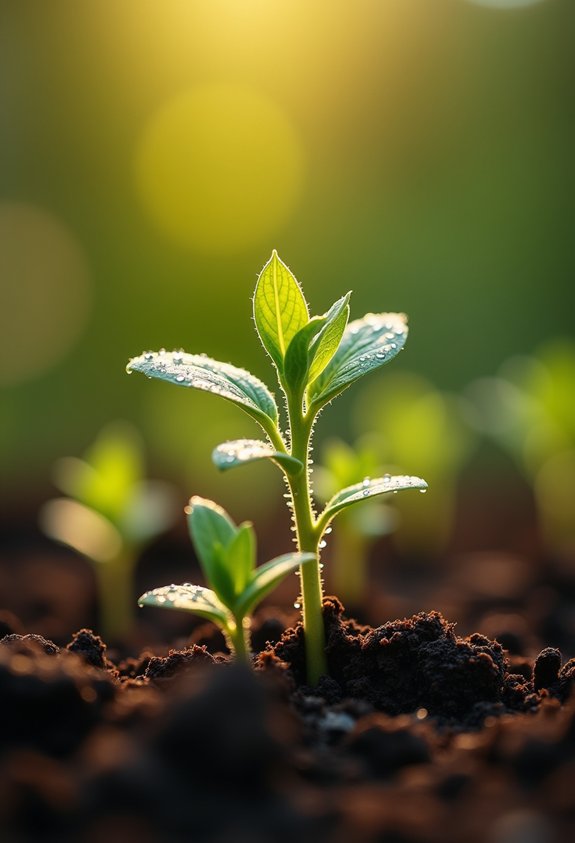
Even when nothing dramatic seems to change, your body’s healing systems are rarely idle, and learning to notice their quieter signals can protect your patience.
Research shows tissue repair unfolds in overlapping phases; what feels like “nothing” often hides microscopic repair, immune shifts, and new collagen forming.
You can train your attention to track subtle signs and redefine what counts as progress indicators:
- Notice moments when pain softens a little sooner, or returns a bit later, than last week.
- Sense tiny increases in strength, flexibility, or energy, even if they last only minutes.
- Observe emotional ease—slightly better sleep, fewer spikes of panic, more neutral moments.
- Track how often you care for yourself gently; each kind choice is a measurable step in your healing.
Managing Fear, Frustration, and Self‑Criticism
While you’re watching for small signs of progress, strong emotions often surface alongside them—fear that you’ll never fully heal, frustration with setbacks, and harsh self-criticism about how you’re “handling” it.
These reactions are common when your nervous system stays on alert. You’re not failing; your brain is trying to protect you.
For fear management, first name the fear (“I’m scared this pain is permanent”), then reality-check it with medical facts and past examples of your body recovering.
For frustration coping, notice tension in your body and give it a short outlet—movement, tears, a few steady breaths.
Criticism awareness means catching your inner attacks in real time and replacing them with self compassion practices: “Given what I’m facing, my response makes sense.”
Creating Supportive Daily Practices
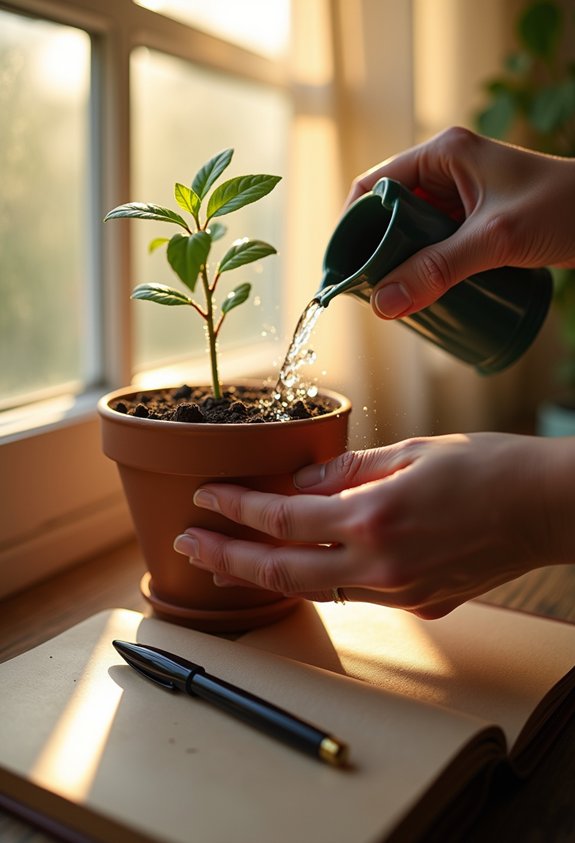
As your emotions settle a bit, the next step is to build small, repeatable habits that quietly support your body’s repair work each day.
As your emotions soften, begin weaving gentle, daily rituals that quietly nourish your body’s natural repair.
Think of them as gentle signals to your nervous system: you’re safe enough to heal. Mindful routines also help your brain perceive time as fuller and less painful, which research links to faster physical recovery.
Try shaping your day around four touchpoints:
- Wake slowly: notice your breath, then whisper two or three positive affirmations that feel believable.
- Eat with attention: savor textures and warmth, reminding yourself, “This is how I feed healing.”
- Schedule a brief, consistent relaxation practice—breathing, meditation, or soothing music.
- End the day by journaling one sensation of ease in your body, however small.
Setting Boundaries to Protect Your Energy
Although healing can feel like a full‑time job, you also need boundaries that protect the limited energy your body has for repair.
Research shows chronic stress and emotional overload slow immune responses and tissue regeneration, so energy preservation isn’t indulgent; it’s biological necessity.
Start by noticing who and what consistently leaves you depleted.
Then set clear personal boundaries around time, conversations, and responsibilities. You might limit medical talk with certain people, shorten visits, or decline favors that increase pain or fatigue.
Communicate briefly and firmly: “I want to heal well, so I’m resting more and saying no more.”
The people who can meet you here are part of your medicine; those who can’t don’t get unlimited access to your nervous system.
Listening to Your Body and Emotions

Instead of treating your body like a problem to push through, you can start treating it like a partner that’s constantly giving you data about how you’re healing.
Your body isn’t an obstacle; it’s a wise partner constantly sharing real-time insight into your healing
When you soften into body awareness, you notice pain, fatigue, or tension sooner, and research shows that this reduces stress load and supports immune function. Listening becomes a practical skill, not a vague idea.
Try this brief check-in:
- Scan from head to toe and name three physical sensations without judging them.
- Ask, “What might this sensation be asking for right now—rest, movement, warmth, contact?”
- Notice your emotional expression: name the feeling (“sad,” “scared,” “relieved”) and where you feel it in your body.
- Offer yourself one concrete response—a pause, a boundary, a comforting phrase.
Staying Present When You Feel Stuck
Staying present means gently interrupting that loop. Mindfulness techniques help you notice sensations, thoughts, and urges without immediately obeying them. You might track your breath for ten cycles, or scan your body, naming areas of warmth, tension, or ease.
Then, use grounding exercises to re-anchor in the here and now: press your feet into the floor, name five things you see, or feel your pulse.
You’re not fixing everything—just staying with this moment safely.
Building Trust in Your Long‑Term Growth

When healing feels slow, building trust in your long‑term growth means learning to look beyond today’s pain and notice the quieter signs of progress your body and mind are already making.
Trust grows when you notice the quiet, subtle ways your body keeps moving toward healing
Research shows your mindset can change pain, immunity, even the tempo of wound repair. So trust building isn’t blind hope; it’s a choice to cooperate with your biology.
Use a gentle growth mindset by tracking what’s slowly improving, not just what still hurts:
- Remember a moment you coped better with pain than before.
- Notice a tiny physical change: easier movement, softer tension, deeper breath.
- Recall a supportive interaction that calmed your body.
- Name one way you’ll care for yourself today, then keep that promise.
In case you were wondering
How Does My Mindset Actually Change the Physical Speed of Healing?
Your mindset influence changes healing speed by dialing stress hormones down, calming inflammation, and improving sleep and pain tolerance. You create a safer internal climate where fibroblasts, macrophages, and growth signals coordinate faster tissue repair, especially in chronic or diabetic wounds.
You may also like:


Can Therapy or Mindfulness Really Affect Scar Tissue and Chronic Wounds?
Yes, they can: while scalpels remodel tissue, therapeutic techniques and mindfulness practices quietly lower stress hormones, improve immune balance, and enhance fibroblast activity, so you don’t just feel calmer—you actually support faster closure and softer, less aggressive scars.
What Role Do My Relationships and Doctors’ Attitudes Play in My Recovery?
Your relationships and doctors’ attitudes actively shape your recovery: warm support systems lower stress hormones, while respectful, honest doctor communication boosts trust, adherence, placebo responses, and even pain tolerance—letting your body shift from chronic inflammation toward deeper, more complete repair.
Are There Emerging Medical Treatments That Might Shorten My Healing Time?
Yes, you can lean on emerging therapies and medical innovations—like stem-cell treatments, smart hydrogels, and targeted immune modulators—to potentially shorten healing, while you still prioritize proven basics: wound care, nutrition, stress reduction, and mindful follow‑up.
How Can I Balance Hope for New Therapies With Accepting My Current Limits?
You hold hope balance by honoring your current limits as real biological signals, not failures. You stay informed about emerging therapies, yet you commit—day by day—to rest, stress reduction, and consistent care your body can actually sustain.
Conclusion
Healing isn’t a straight line; it’s more like a spiral that keeps bringing you back, but never to the exact same place. Each time, you return wiser, calmer, and better equipped. When you notice small shifts, regulate your emotions, honor your body, and protect your energy, you’re not “behind”—you’re integrating. Keep choosing presence over panic, curiosity over judgment, and support over isolation. With consistency and compassion, your long‑term growth stops being a hope and becomes a pattern.


